

Data has to be one of the most crucial assets when it comes to the modern business world. Still, there has been an explosion of data sources, event-driven systems, and cloud platforms recently, which is why businesses are putting extra effort into making data-driven decisions that are beneficial and intelligent. But there’s an entire process to take this raw data and convert it into usable data points, and it is called “Data Integrations.”
The data integration step is the most critical part of managing data because you can't evaluate data without it. There are two main ways of data integration: real-time data integration and batch data integration. Each of these strategies has its own pros and cons, and they work best in specific scenarios.
But what if you make the wrong choice? Well, using the wrong data integration method can result in delayed decisions, wasted infrastructure spend, and broken SLAs, along with many other things you don’t want to encounter, which is why in this article, we’ll be diving deep into the distinctions between the two methods so you can choose the one that will work best for your business.
Quick Concept Definitions
Before comparing these approaches, it’s important to clearly understand what each integration method involves.
What Is Real-Time Data Integration?
Real-time data integration refers to processing and delivering data as soon as it is generated or received. Instead of waiting for scheduled intervals, the system processes each event immediately and makes the data available to downstream applications with minimal delay.
The main purpose of real-time data integration is to give users and applications up-to-date and correct information so that businesses may make smart decisions based on the most recent information available. Real-time data integration can also help businesses respond better to changes in the market and client needs, making them more flexible and competitive overall.
Common examples of real-time data integration include traffic management systems, automated teller machines (ATMs), online fraud detection, and real-time monitoring systems in connected vehicles. In these scenarios, data must be processed immediately to support timely actions and decisions.
Real-time data integration systems need to be able to handle a steady stream of data as it comes in. If not, it will slow down the system and make it hard to make decisions and get things done.
Real-time data integration sometimes requires unique software tools and platforms that can handle large amounts of data and process and transmit it in real time. Most of the time, these tools and platforms let you do things like data mapping and transformation, change data capture, data quality checks, and real-time data streaming.
What Is Batch-Based Data Processing?
Batch data integration involves collecting data over a defined period and processing it together as a group. Processing can occur at scheduled intervals, such as hourly, daily, or weekly, or when a predefined data volume or record count is reached. For this amount of time, data will be gathered and sent for processing at the end of the cycle. Instead of processing each piece of data one at a time, like in real time, it processes each batch of data at once.
The system can also be set up to process data when it gets to a certain size, on the other hand. For example, the rule could be that the system only processes data when there are 1000 records or when the data size reaches 1GB.
Batch processing consists of many processes, such as gathering data, checking and cleaning it, changing and combining it, and eventually sending the processed data to a target system, like a database or a file. You can use special software tools and platforms made for batch processing to automate this operation.
If you can wait for the output at the conclusion of a cycle, batch-based data processing is a good approach to do the same data tasks over and over. It's especially useful for businesses that have to deal with a lot of data yet don't require it right away to make decisions. People typically utilize batch processing for big data jobs that don't need to be done right away, such as processing financial transactions at the end of the day or making reports from a big data warehouse. Batch processing can also help lighten the burden on the system during busy times by scheduling processing jobs for times when the system isn't being used as much.
Core Trade-Offs: Real-Time vs Batch
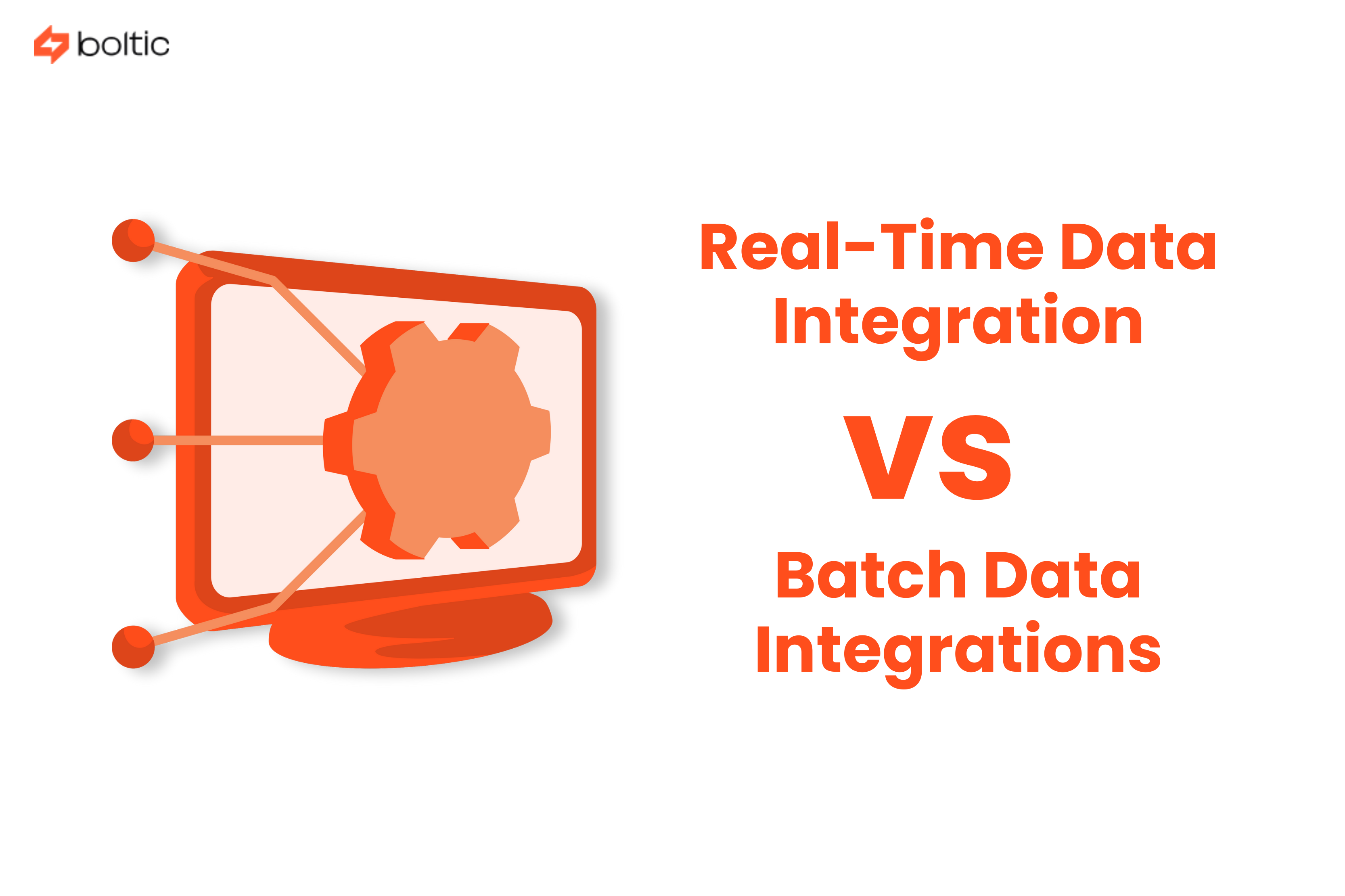
So, what are the core trade-offs in both integration techniques? Here is the complete info:
Pros and Cons of Real-Time Data Integration vs. Batch Data Processing
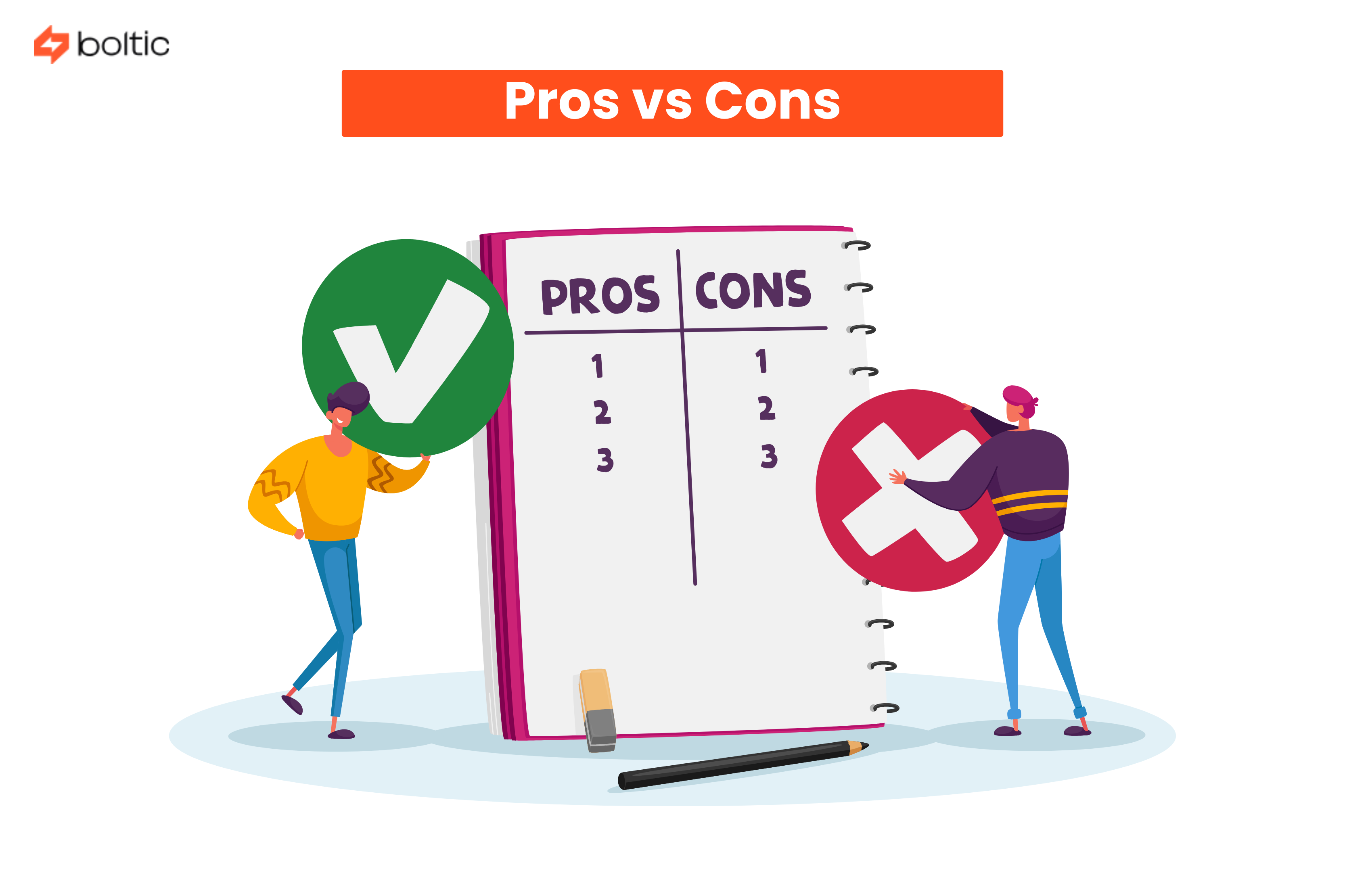
You need to know which of the two data integration procedures above will work best for you when it comes to controlling how data flows through your data integration pipeline. This makes sure that you are processing data in the quickest and most useful way possible. Here's a quick look at the good and bad points of real-time data integration and batch data processing so you can decide which one to utilize.
When Real-Time Data Integration Is the Right Choice
Real-time data integration makes sense when delayed data directly impacts revenue, risk exposure, customer experience, or compliance. In these cases, timing itself becomes a business requirement.
- Fraud detection and risk controls: Fraud attempts need to be intercepted and stopped before the transaction happens; this is where real-time data integration is worth it.
- Personalized and Reactive User Journeys: If your business makes money the longer the customer is engaged, this is for you.
- Operational Monitoring and Alerts: System failures, outages, or sensor problems must be found right away. SLAs and uptime guarantees depend on being able to see them right away. Real-time lowers downtime, risk, and operational costs.
If your business shows the following signs:
- SLAs are measured in seconds
- Business teams say, “This must update while the user is on the screen.”
- A 5-10 minute delay causes money, risk, or compliance issues
It’s better to choose Real-Time Data integration.
When Batch Data Integration Makes More Sense
Now, Batch integration isn’t obsolete anytime soon; in fact, it is still quite essential and often underestimated. If your business shows the following signs:
- Delays of 15+ minutes are acceptable
- Workloads are large and predictable
- Outputs feed reports, not automated decisions
Then batch integration might be the smarter choice. This is true in cases of non-interactive or Partner-Driven Integrations, Back-Office, and Financial Operations, where time isn’t an issue.
Conclusion
Both real-time and Batch Data integrations are crucial for businesses, and knowing which one to use when is a truly remarkable stride to make in your business journey. In practice, Scalable platforms are mostly hybrid by nature, and platforms like Boltic add real value by enabling real-time data sync, event-driven workflows, and scheduled automations in a single environment. Boltic helps teams operationalize hybrid data strategies faster without needing custom infrastructure.
drives valuable insights
Organize your big data operations with a free forever plan
An agentic platform revolutionizing workflow management and automation through AI-driven solutions. It enables seamless tool integration, real-time decision-making, and enhanced productivity
Here’s what we do in the meeting:
- Experience Fynd Boltic's features firsthand.
- Learn how to automate your data workflows.
- Get answers to your specific questions.