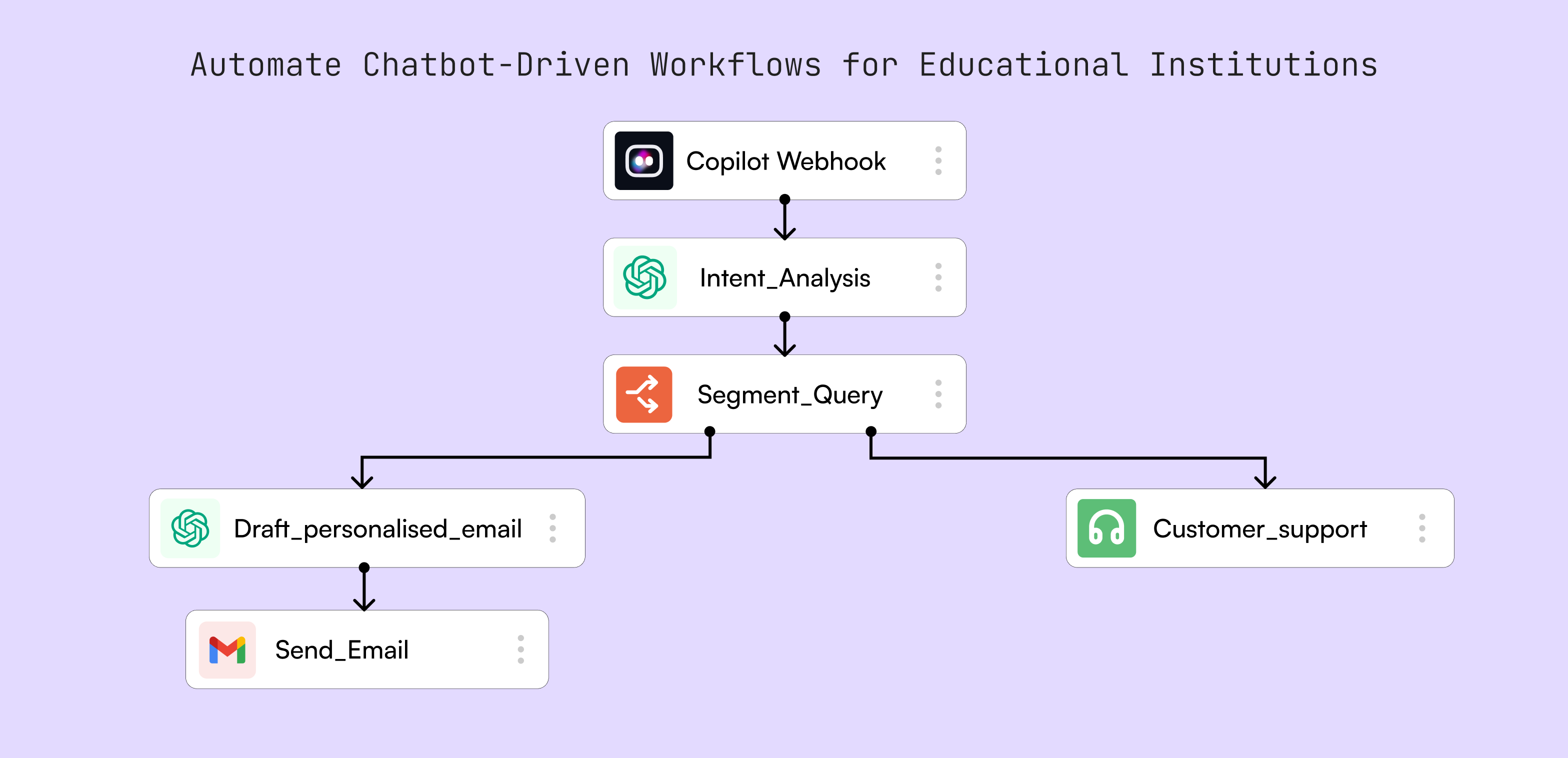

The automation of email is changing rapidly, with companies seeking hyper-personalised interactions, reduced operational costs, and quicker conversions. By 2026, automation will no longer mean simply transmitting predetermined sequences; it will include autonomous decision-making, dynamic content, predictive optimisation, and end-to-end work processes that replicate human judgement. Awareness of the email automation currently underway, as well as which tools are at the forefront of this change, can help organisations be ready for a smarter, more efficient communication stack.
What Is Email Automation?
Email automation is the art of sending customised, personalised messages to users based on predefined triggers, behavioural indicators, or workflow conditions. Automation enables the message to be dispatched at the appropriate time with the appropriate content, based on the user's context, rather than manually batching. It combines regulations, categorisation, dynamic material, and analytics to reduce communication at scale without requiring teams to dispatch emails individually.
How Email Automation Works
- Trigger-Based Activation: Email automation starts having triggers which are activated when a user does a certain action. This can be the case of subscribing, clicking a link, cart abandonment, or downloading content. Such triggers ensure emails are sent at the precise moment the user expresses interest, making them more relevant and engaging throughout the customer journey.
- Conditions and Filters: Conditions narrow down the recipients of automated messages by sifting audiences in accordance with attributes, behaviors, or engagement levels. This ensures that only qualified users can access a workflow. Conditions ensure that inappropriate messaging is avoided and that every user is presented with content that fits their tastes, stage of the lifecycle, or willingness to buy.
- Automated Actions: Actions reflect what the system will do upon conditions and triggers being realized. The most common activities involve emailing, filling in contact fields, and tagging or shifting users through workflows. Such behaviors establish an ordered route that one can use unconsciously and, therefore, facilitate the same communication process without manual intervention.
- Data Integration across Platforms: Email automation combines CRM, web, e-commerce, and app data. This combined information helps the platform be more contextually relevant to the user. In cases where the system works with live behavioral signals, the automation is smarter and more responsive, and, to this end, the system is better at timing, relevance, and overall user experience.
- AI-Driven Personalization: AI can be used to maximize automation through predicting the best time of day to send, offering content options, and recommending behavioral patterns. AI dynamically modifies workflows rather than following a fixed sequence. This makes automation a dynamic model in which the system continuously optimizes messaging to align with individual preferences and actions.
- Continuous Workflow Adaptation: Contemporary work processes are designed to operate as an adaptive loop rather than a sequence. The system adjusts the direction users take as they engage with content to ensure persistent relevance. Such a flexible design enhances conversion rates and ensures communication aligns with engagement cues and real-time behavioral indicators.
Advantages Of Email Automation

- Reduces Manual Workload: Processes such as follow-ups or reminders can be automated, reducing manual workload. The teams are not required to process daily operations emails by hand. The result of this workload reduction is that marketing, sales, and service units have time to work on strategic initiatives rather than on operational matters.
- Guarantees Relevant and Timely Communication: Mechanized processes deliver messages when users are most receptive. Behavioral triggers are necessary to ensure that every email is not only timely but also aligned with the user's intention. This enhances open rates and engagement, as every message will be relevant to the customer's needs and the stage of their journey.
- Improves the Quality of Personalization: With personalized content, automation gives scale based on customer information, behavioral analysis, and dynamic fields. Every consumer is served content based on their behaviors, preferences, or history. Such a level of personalization is hard to accomplish manually and is much more effective in terms of loyalty and conversion.
- Enhances Lead Nurturing Performance: Prospects are guided through a programmed follow-up process to organize their nurturing. Regular follow-ups warm leads up, making them constantly more prepared to talk sales with them. This systemized method minimizes drop-offs, and all leads receive the required level of engagement without delay.
- Enhances Customer Retention: Loyalty messages, post-purchase sequences, re-engagement workflows, and retention campaigns are better automated. These messages ensure customers remain in touch with the product even after their first purchase. Automation helps brands maintain relationship continuity, which promotes repeat behavior and lifetime loyalty.
- Delivers Higher ROI: Email automation has one of the highest returns in online marketing. It works around the clock and generates conversions even when business is not active. Automated flows have low incremental cost and high scalability, generate quantifiable revenue, and optimize marketing efficiency over the customer lifecycle.
- Garners Deep Analytics and Insights: Automation platforms generate detailed performance metrics on user behaviour, activity segments, and workflow effectiveness. These insights demonstrate what is working, where people lose interest, and what messages are moving the needle. Predictive analytics also aids in prediction and strategy optimization to grow in the long term.
- Facilitates AI-Directed and Predictive Optimization: With the maturity of algorithms, automation tools apply AI to adjust send frequency, segment users, and optimize message sequence. This anticipatory feature makes emails relevant, personal, and effective. It also enables continuous optimization without manual adjustment.
Top Email Automation Tools in 2025

In 2025, several tools dominate the email automation landscape due to their advanced features, usability, AI capabilities, and integrations. These platforms continue to evolve heading into 2026.
1. HubSpot Marketing Hub
HubSpot is still among the most complete automation services with sophisticated workflows that are entirely incorporated into its CRM ecosystem. It is especially powerful in those companies that desire marketing, sales, and service information to be integrated in one system. The platform is usable and enterprise-rich enough, so it can serve both expanding and developed teams.
Key Features:
- Branching logic and drag-and-drop workflow builder.
- AI-assisted predictive lead score and content generation.
- In-depth CRM connectivity to real-time information synchronization.
- Individualized lifecycle email content.
- Computer-assisted segmentation and behavioral stimuli.
2. ActiveCampaign
ActiveCampaign has a reputation for having robust behavioral automation and one of the most versatile workflow builders on the market. It is perfect for those businesses that believe in cutting-edge segmentation, user event tracking, and multi-channel automation. The platform is excellent in personalizing journeys at scale with detailed user activity signals.
Key Features:
- Workflows that are behavior-driven and have dozens of trigger options.
- Predictive dispatch to maximize delivery time.
- Lead scoring and automated CRM.
- Multi-channel communications (email, SMS, site messages)
- In-depth conditionally logical segmentation.
3. Mailchimp
Mailchimp remains one of the most popular choices of SMEs because of its user-friendly interface and powerful automation enhancements. The platform facilitates end-to-end customer experiences, predictive recommended processes, and automation of e-commerce. It is more appropriate for teams that require simplicity without losing key automation features.
Key Features:
- Branching Customer Journey Builder.
- Machine learning-driven product recommendations.
- Ready-assembled e-commerce, like abandoned carts.
- Dynamical content blocks for personalized emails.
- Low cost and good template service.
4. Klaviyo
Klaviyo is the leader in the field of e-commerce automation, with its accurate segmentation and revenue-oriented workflows. It is the tool of choice for D2C and online retail brands because of its close integration with platforms such as Shopify. Klaviyo insight predictors minimize messages and maximize the purchase frequency.
Key Features:
- Real-time E-commerce data synchronization.
- Churn, purchase timing, and product interest predictive analytics.
- Personalized product streams and dynamic suggestions.
- Advanced segmentation using the pattern of browsing and purchase.
- Ready-to-go upsell, win-back, and VIP flows.
5. Brevo (Formerly Sendinblue)
Brevo is a multi-channel communication tool that costs less than competitors' and is available to small businesses and startups. It has integrated email, SMS, WhatsApp, and push notifications into a single workflow engine. This will make it an affordable solution for brands that want to automate various touchpoints.
Key Features:
- Conditional branching Automation builder.
- Single platform email, SMS, WhatsApp and push messaging.
- Order and account update email routing: transactions.
- Contact scoring and dynamic segmentation.
- Lower costs and sending volume up to scale.
6. Customer.io
Customer.io has been designed to support product-based companies and SaaS platforms that need event-based automation. It provides powerful customization via API triggers and user attributes, enabling businesses to control message delivery at a granular level. It is fast and flexible with data, making it popular among tech-oriented teams.
Key Features:
- Custom properties and event-based triggers.
- Scalable automation using API.
- Elastic workflow composer of complicated logic.
- Individualized onboarding and retention processes.
- Online behavioural data analysis.
7. ConvertKit
ConvertKit is designed for creators, educators, and small online businesses. It focuses on simplicity, and it provides efficient automation of lead nurturing, digital delivery of products, and audience segmentation. It is a wonderful option for non-technical people because of its clean interface and tools that are friendly to creators.
Key Features:
- Lightweight automation and subscriber tagging.
- Funnel creation tool for creators.
- Automated distribution of online downloads and courses.
- Basic behavioral segmentation.
- Good deliverability and minimum templates.
8. Salesforce Marketing Cloud
Salesforce Marketing Cloud is a high-performance cloud computing platform designed to meet the unique automation needs of large organizations. Its Journey Builder helps marketers create custom cross-channel experiences powered by CRM data, AI insights, and powerful orchestration. It suits well in teams that require high data governance and scale.
Key Features:
- Journey orchestration (email, SMS, ads, push).
- Ecosystem-wide CRM with Salesforce.
- Optimization of AI by Einstein AI.
- Personalization model and predictive scoring.
- Enterprise tools, tools of compliance and governance.
9. Zoho Campaigns
Zoho Campaigns can be well integrated with the Zoho overall suite; hence, it fits perfectly when a business uses Zoho CRM. It favors automated journeys, dynamism, and contact-based triggers. It is affordable and fits their ecosystem, hence appealing to small and mid-size organizations.
Key Features:
- Self-activated emails and automatic replies.
- Zoho CRM integrates with smart segmentation.
- Ready-made trips to nurturing and re-engagement.
- Drag-and-drop editor with a template library.
- Growing team pricing rivalry.
10. Drip
Drip targets e-commerce brands of boutique and mid-sized sizes that require individual customer experiences. Its automation streams are revenue-driven, which use product information to generate relevant messages. Drip is a simple, enterprise-level segmentation and lifecycle marketing platform.
Key Features:
- Workflows that are e-commerce based (carts, win-backs, post-purchase).
- Intent scoring and behavioral tagging.
- Recommendation of products that are dynamic.
- Lifecycle journey workflow builder.
- Revenue attribution and insight dashboards.
drives valuable insights
Organize your big data operations with a free forever plan
An agentic platform revolutionizing workflow management and automation through AI-driven solutions. It enables seamless tool integration, real-time decision-making, and enhanced productivity
Here’s what we do in the meeting:
- Experience Fynd Boltic's features firsthand.
- Learn how to automate your data workflows.
- Get answers to your specific questions.